AgriLand: Linking agriculture and land use change to pollinator populations
See the slideshows from our Final Stakeholder Workshop here.
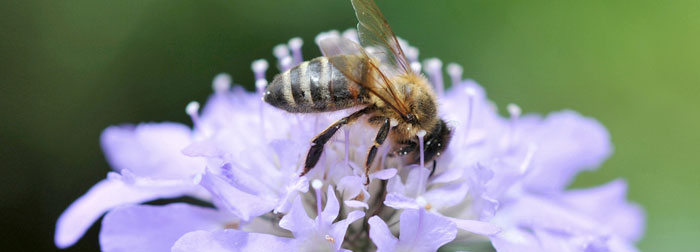
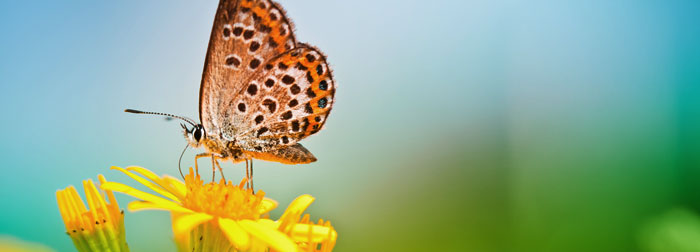
There is growing evidence that both domestic honeybees and wild pollinators are in trouble, and that many wildflowers that depend on them for pollination are also declining. But are pollinator declines driving flower losses or vice versa? Or are other seperate factors causing the declines?
The AgriLand project will address these questions by surveying both pollinators and wildflowers across the country, and by examining the importance of land use and the structure of the British landscape using historical datasets and national data on some of the most likely causes of declines. The results of the project will be widely communicated to stakeholders and policy makers to help improve strategies to tackle the problem.
Click on a link below to find out more on pollinator declines and the project, or navigate using the links above and to the right.
Partner organisations (click on a logo to link to an organisation's homepage):